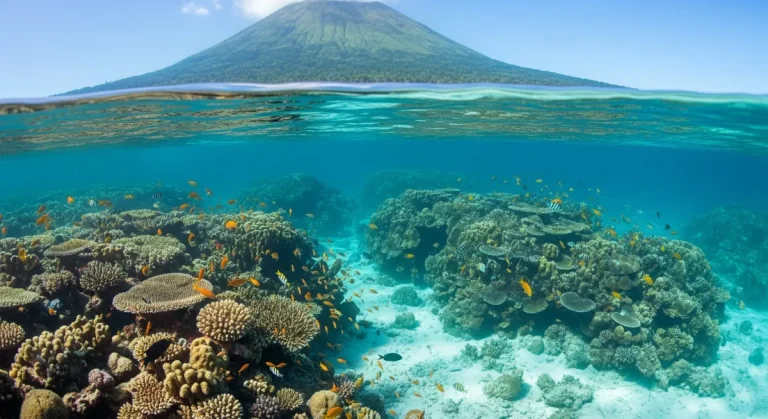
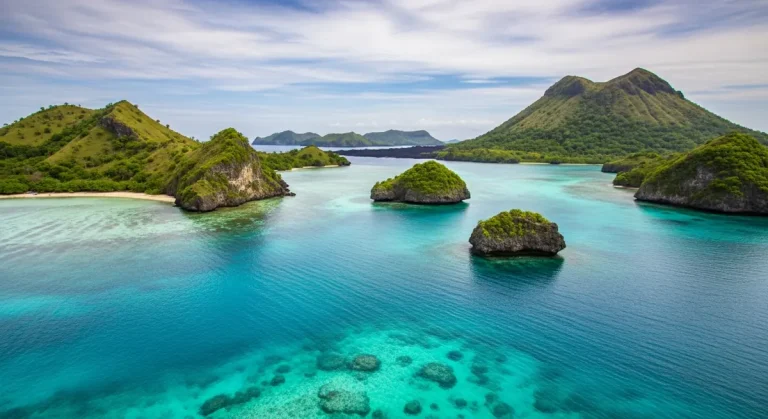
Banda Sea overview
- Diverse marine life with over 600 species of fish
- Seasonal trips from October to April
- Competitive pricing for luxury liveaboard experiences
Introduction to the Banda Sea
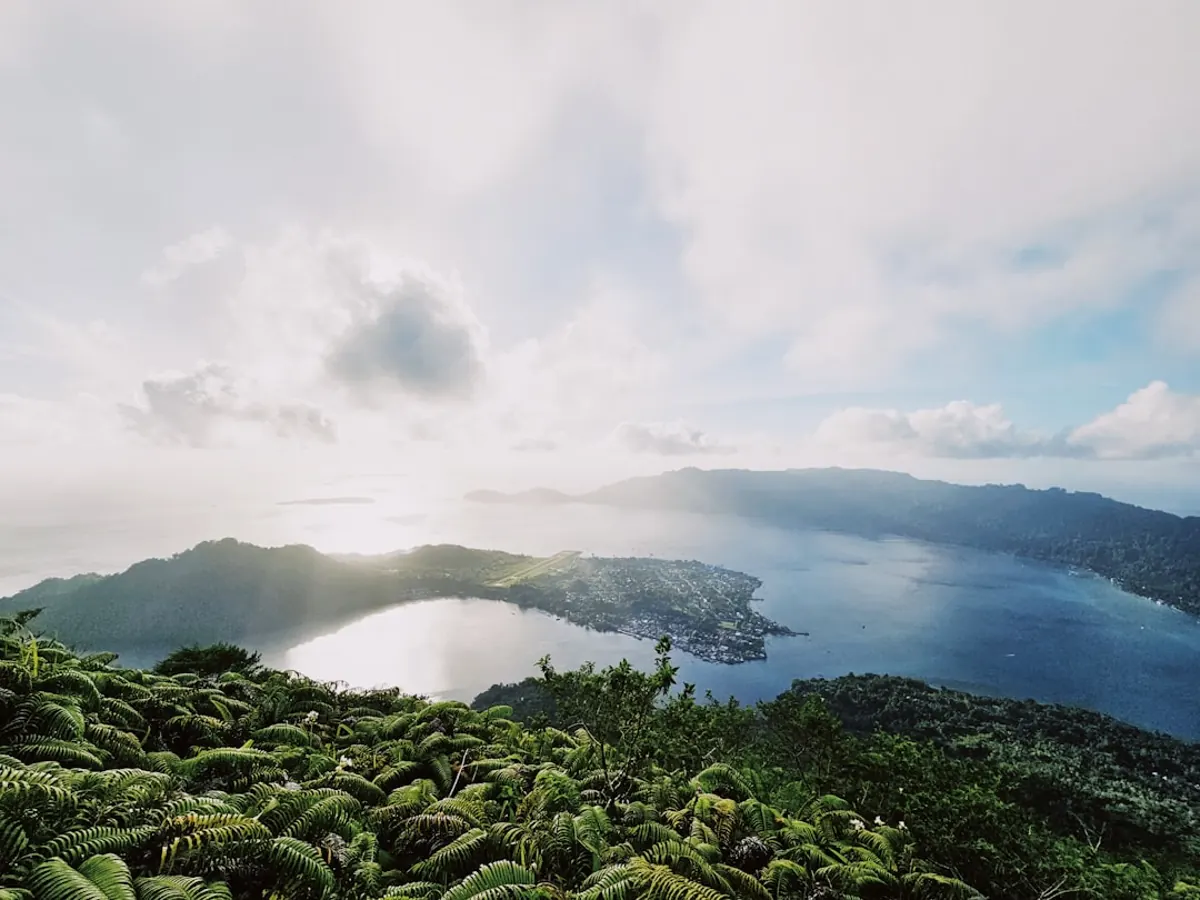
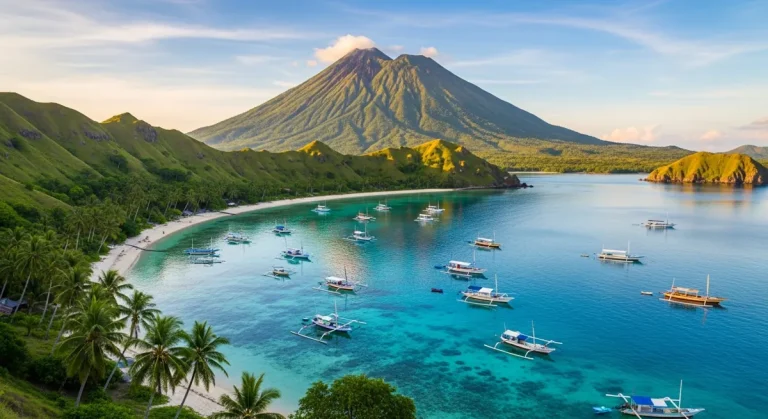
The Banda Sea, located in Indonesia’s Maluku Islands, is renowned for its rich marine biodiversity and historic significance. This body of water is framed by the volcanic Banda Islands, with Banda Neira serving as a gateway for divers and adventure seekers. The Banda Sea’s unique underwater ecosystems and historical shipwrecks make it a must-visit for anyone interested in marine exploration.
Marine Biodiversity
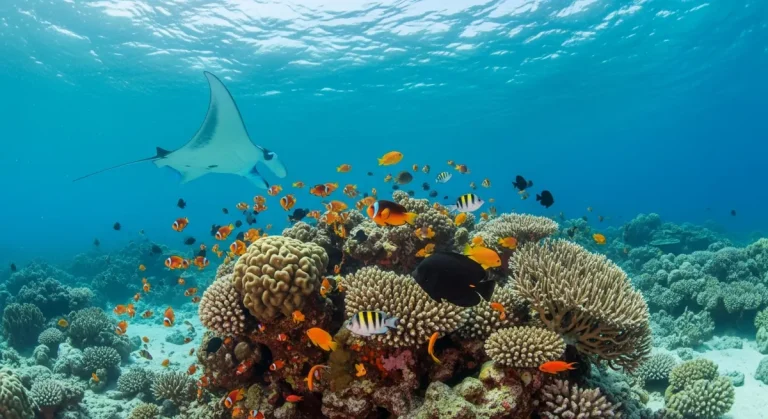
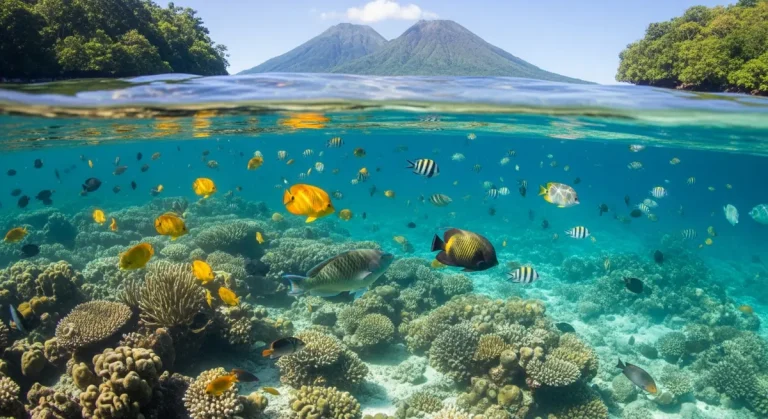
The Banda Sea is home to an incredible variety of marine life. With over 600 species of fish and numerous coral species, divers can expect vibrant underwater scenery. The sea’s unique ecosystems are shaped by its geographical features, including reefs, drop-offs, and volcanic formations. Here are some key highlights of the marine biodiversity:
- Coral Reefs: The Banda Sea offers extensive coral reefs that host a multitude of fish species, making it an ideal location for both novice and expert divers.
- Endemic Species: The region is known for endemic species, including the Banda Sea’s unique types of wrasse and anemonefish.
- Pelagic Fish: Divers may encounter larger pelagic species, such as barracudas, manta rays, and even whale sharks.
Historical Significance
The Banda Sea isn’t just a sanctuary for divers; it’s also rich in history. The Banda Islands played a significant role in the spice trade during the 16th and 17th centuries. Shipwrecks from that period are scattered throughout the area, providing unique dive sites that combine archaeology with marine exploration. Some notable wrecks include:
- The “Doro” Wreck: A transport vessel that sank in the 1940s, offering divers a glimpse into maritime history.
- The “Lusitania” Wreck: A popular dive site known for its coral-covered remains and abundant marine life.
- Artifacts: Many dive sites also feature artifacts from the spice trade era, making them not just underwater experiences but also historical explorations.
Liveaboard Options
For those looking to explore the Banda Sea, liveaboard trips offer the most comprehensive experience. These trips allow divers to access remote dive sites that are often unreachable by day boats. Here’s what you can expect from a liveaboard trip in the Banda Sea:
Types of Liveaboard Trips
There are various liveaboard options tailored to different preferences and skill levels. Here are some popular choices:
- Luxury Options: High-end liveaboards with spacious cabins, gourmet dining, and personalized services.
- Budget-Friendly Choices: Affordable trips that still provide essential amenities and access to prime dive sites.
- Specialty Trips: Some liveaboards offer themed trips, such as photography excursions, which provide expert guidance for capturing underwater images.
Sample Itineraries
A typical liveaboard itinerary in the Banda Sea can vary but usually includes a mix of diving, relaxation, and exploration. Expect to:
- Day 1: Depart from Banda Neira and travel to the first dive site, exploring vibrant coral reefs.
- Day 2: Dive at several sites, including historical wrecks and unique underwater topographies.
- Day 3: Explore remote areas, offering opportunities to see pelagic species and pristine coral gardens.
- Day 4: Return to Banda Neira, with stops at additional dive sites along the way.
Pricing and Booking
Pricing for liveaboard trips in the Banda Sea varies based on the level of luxury, duration, and season. Here are some general price ranges:
- Luxury Liveaboards: $2,500 – $4,500 per person for a week-long trip.
- Mid-range Options: $1,200 – $2,500 per person for similar durations.
- Budget Trips: Starting from $800 for a week, depending on amenities and services offered.
Booking in advance is recommended, especially during peak seasons, which run from October to April. This period generally offers the best diving conditions, with warmer waters and clearer visibility.
Seasonal Recommendations
When planning your liveaboard adventure in the Banda Sea, consider the following seasonal factors:
- Best Time to Dive: October to April is typically the best time for diving, with calm seas and excellent visibility.
- Wet Season: From December to February, expect more rain, but diving conditions can still be good.
- Dry Season: May to September sees fewer visitors, but some dive sites may be less accessible due to rougher seas.
Exploring Diving Adventures and Historical Shipwrecks in the Banda Sea
The Banda Sea is a wealth for those eager to dive into both marine biodiversity and history. It hosts a myriad of vibrant coral reefs and intriguing shipwrecks, making it a perfect destination for divers of all levels. If you’re new to diving or a seasoned pro, the Banda Sea liveaboard guide is an essential tool to customize your adventure according to your interests.
For those looking to dive deeper into planning, you can compare packages to find the ideal liveaboard experience. Additionally, our Banda Neira Liveaboard Pricing & Cost Guide and the Banda Neira Liveaboard resources offer detailed information on pricing and options to help streamline your travel arrangements.
Diving Conditions and Seasons in the Banda Sea
The Banda Sea offers two prime dive seasons: March to May and September to November. During these times, divers can expect water temperatures ranging from 26°C to 29°C and visibility between 20 to 40 meters. The currents are generally mild to moderate, making it suitable for divers with an Advanced Open Water certification and around 30 logged dives.
One of the highlights of diving in the Banda Sea is the chance to witness the schooling scalloped hammerhead sharks, particularly from September to early November. This natural spectacle attracts divers from around the world, eager to experience the thrill of swimming alongside these striking creatures.
Top Dive Sites in the Banda Sea
Lava Flow at Gunung Api and Batu Kapal are two of the most renowned dive sites in the Banda Sea. Lava Flow is celebrated for its vibrant hard-coral gardens, a result of the 1988 volcanic eruption that rejuvenated the marine ecosystem. Batu Kapal, or “Ship Rock,” offers a dramatic underwater landscape with a diverse range of marine life, including frogfish and schooling fusiliers.
- Pulau Hatta: Known for its pristine coral gardens and the chance to spot mandarinfish and turtles.
- Pulau Ai: Offers a rich mix of marine biodiversity, with frequent sightings of schooling fish and occasional pelagics.
- Mandarin City: A must-visit for those hoping to catch a glimpse of the elusive mandarinfish during their mating rituals at dusk.
Travel and Accommodation Options
Most liveaboard trips to the Banda Sea depart from Ambon (AMQ), with options ranging from budget to premium. Budget accommodations typically range from $220 to $300 per night, while premium options can cost between $350 to $500 per night. These trips often include visits to historical sites like Fort Belgica and the iconic Gunung Api volcano, adding a cultural dimension to the diving experience.
Travelers can also explore the rich spice-trade history of the region, including the cultivation of nutmeg, which once made these islands a focal point of global trade. This combination of natural beauty and historical intrigue makes the Banda Sea a unique and captivating destination for divers.